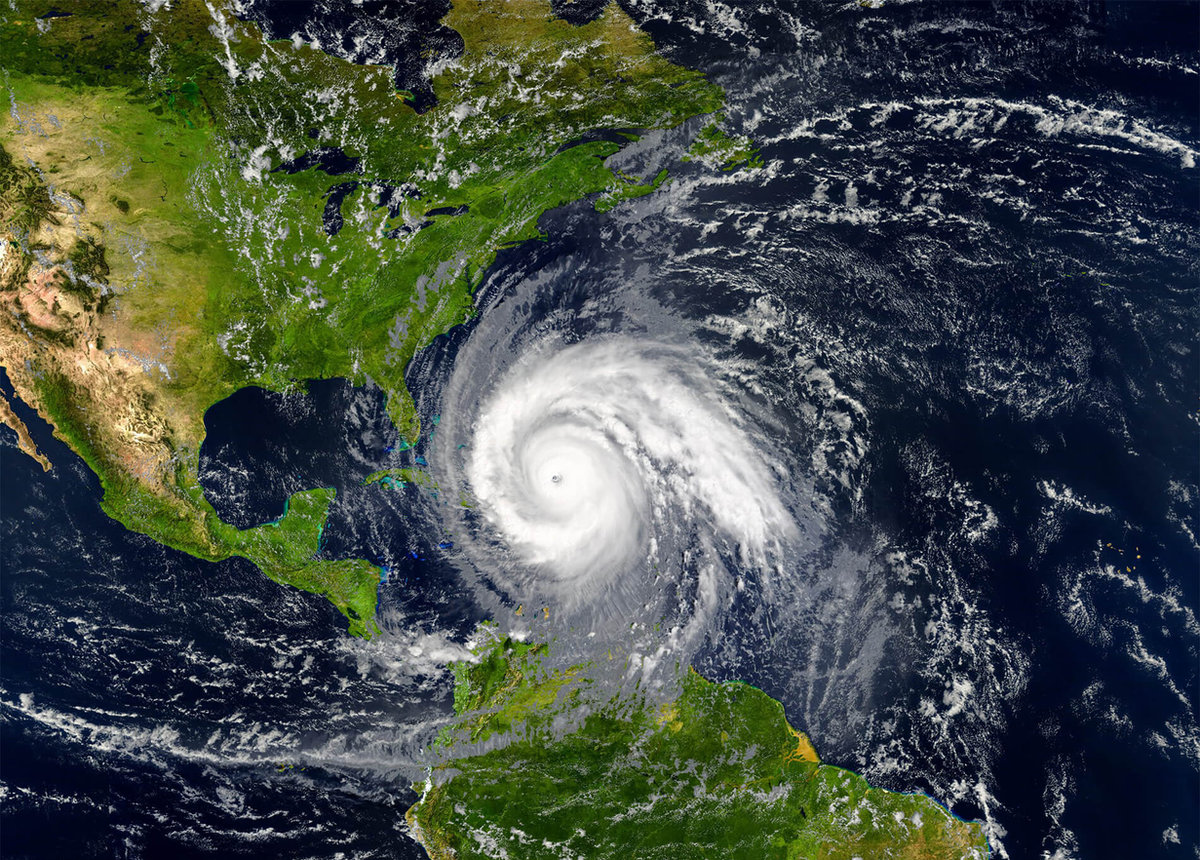
When El Niño arrives, Florida homeowners often experience increased rainfall, stronger storms, and prolonged periods of wet weather. While many people prepare by stocking up on supplies, one of the most important parts of your home deserves attention before the storms begin — your roof.
Your roof is your home's first line of defense against the elements. A small roofing issue today can quickly turn into a costly repair after weeks of heavy rain. Here are the steps every homeowner should take to prepare for an active El Niño season.
1. Schedule a professional roof inspection
Many roofing problems aren't visible from the ground. Missing shingles, damaged flashing, cracked sealant, or soft spots can allow water to enter your home during heavy rain. A professional inspection can identify:
- Missing or damaged shingles
- Loose flashing around chimneys, skylights, and vents
- Signs of leaks or water intrusion
- Aging materials nearing the end of their lifespan
- Storm damage that may qualify for insurance coverage
Finding these issues early can save thousands of dollars in future repairs.
2. Clean your gutters and downspouts
Gutters play a critical role in directing rainwater away from your roof and foundation. When gutters become clogged with leaves and debris, water backs up onto the roof, increasing the risk of roof leaks, fascia damage, mold growth, and foundation issues. Cleaning your gutters before the rainy season helps water flow exactly where it should.
3. Trim trees around your home
Overhanging branches become dangerous during storms. Strong winds and saturated soil can cause limbs to break and fall onto your roof. Even branches that don't break can scrape shingles and wear away their protective granules. Trim branches back several feet from your roof to reduce storm damage risks.
4. Check your attic
Your attic often provides the first warning signs of a roofing problem. Look for:
- Water stains
- Mold or mildew
- Damp insulation
- Daylight coming through the roof boards
If you notice any of these signs, it's time to schedule a professional roofing inspection before the next major storm arrives.
5. Replace missing or damaged shingles
One missing shingle may not seem like a big problem — but during heavy rains, it can allow water to penetrate the roofing system. Replacing damaged shingles before El Niño weather arrives helps maintain the integrity of your roof and prevents leaks from spreading.
6. Inspect flashing and roof penetrations
Areas around chimneys, plumbing vents, skylights, and roof valleys are common leak locations. Damaged flashing allows water to seep underneath roofing materials, causing hidden damage that often goes unnoticed until it's extensive. Routine maintenance can prevent these vulnerable areas from becoming costly repairs.
7. Review your homeowner's insurance policy
Before storm season begins, review your insurance coverage and document your roof's current condition with photos. Knowing what's covered before damage occurs can make the claims process much easier if severe weather impacts your home.
Why preparation matters
Heavy rain doesn't create roofing problems — it exposes the ones that already exist. A roof that appears fine during dry weather may leak once it's subjected to days of continuous rain. Addressing small issues now is far less expensive than dealing with emergency repairs later.
Concerned about your roof before storm season?
Get a free roof inspection